Empowering Lives: Transformative Stories and Insights in Cancer Care and Treatment
In the realm of oncology, where every diagnosis can feel like a thunderclap reshaping lives, survivor stories illuminate the path from despair to hope. Each journey through the challenging landscape of malignancy can teach us invaluable lessons about resilience, courage, and the power of human spirit. These tales of triumph over tumor challenges are not just narratives; they are testaments to the strength within us all, showcasing the transformative impact of patient support, healthcare advancements, and the relentless pursuit of medical research. So, how do these incredible journeys inspire us, and what can we learn from their experiences?
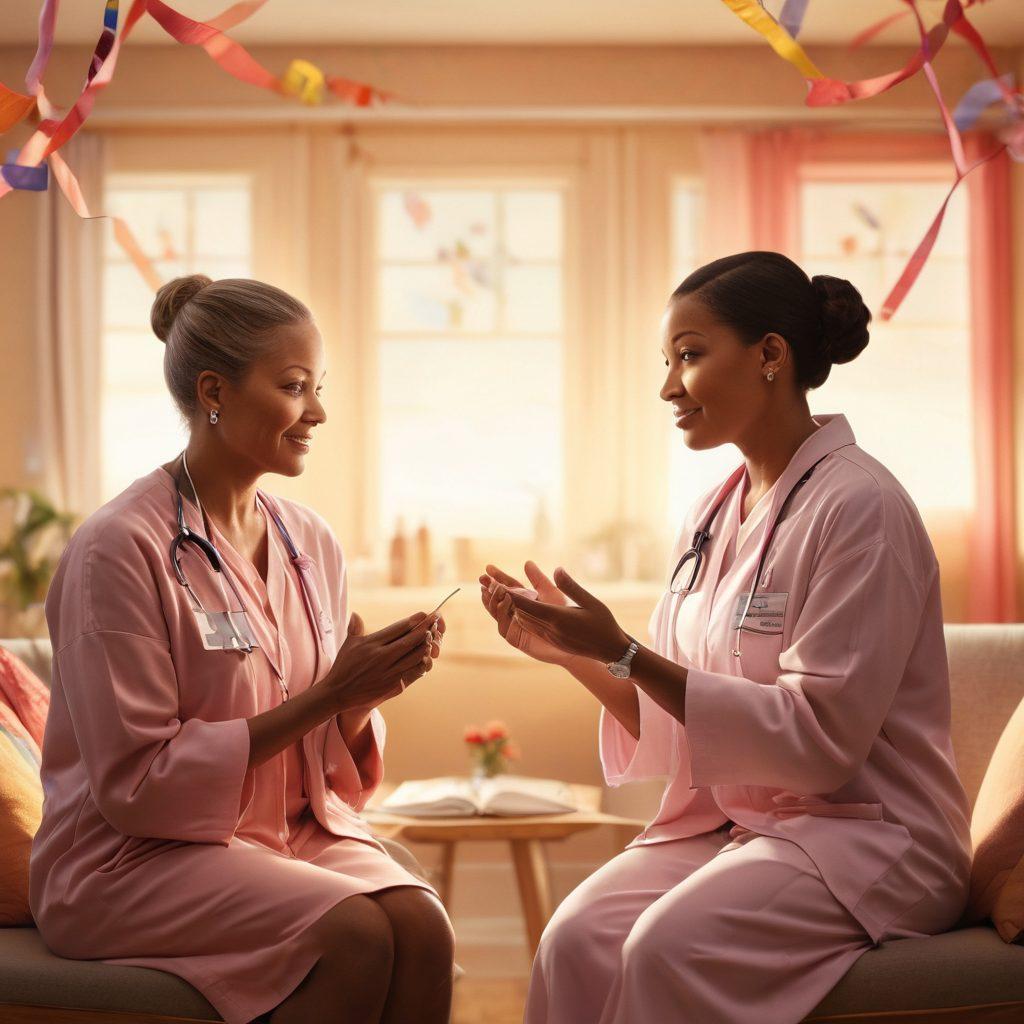
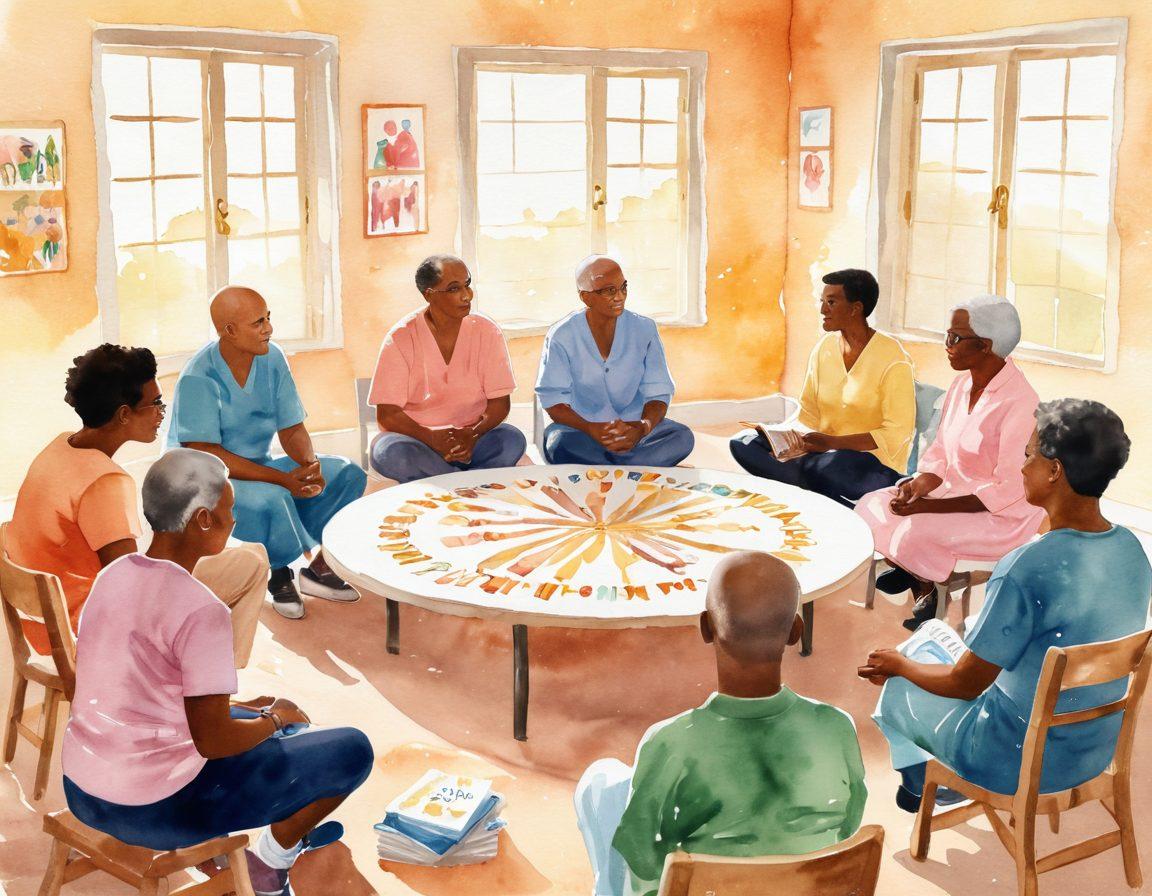
Take, for instance, the story of Mia, a vibrant young woman diagnosed with carcinoma at the age of 30. Faced with the daunting prospect of chemotherapy and radiation, she described her initial feelings of despair and uncertainty. Yet, through the lens of this experience, she discovered a profound sense of community among fellow patients. "We weren't just fighting our individual battles; we were a team," Mia recalls. This spirit of camaraderie not only bolstered her morale but also highlighted the crucial role of patient advocacy and support groups in disease management. How might we cultivate such supportive environments in our own lives?
Similarly, the narrative of James, who conquered a rare neoplasm, offers insight into the importance of preventive care. After an unyielding battle against cancer treatment, he emerged not only as a survivor but also as an advocate for health awareness. "If I never spoke up about my symptoms, who knows where I would be?" he often says. His journey underscores the significance of symptom management and the pivotal role clinical trials play in advancing oncology research. How can each of us take charge of our health and encourage others to do the same?
Imagine the days when treatment wasn't just about battling the disease but embracing a holistic approach, encompassing mental, emotional, and physical wellness. Jane’s story perfectly encapsulates this belief. While undergoing palliative care for a chronic malignancy, she found solace through art and meditation. "Healing is not just about eradicating the tumor; it's about nurturing the soul," she shares. Through her experience, we are reminded that caring for oneself holistically can be as crucial as the therapeutics used in medical interventions. What would it look like to merge traditional treatments with wellness practices in our cancer care strategies?
In the end, these survivor stories resonate with a universal truth: we are all capable of triumphing over adversity, regardless of the challenges we face. The narratives of those who have walked the path of cancer treatment remind us of the significance of robust healthcare initiatives, ongoing medical research, and the importance of sharing our experiences. They challenge us to build a supportive community, enhance health awareness, and actively engage in advocacy efforts. How can we each play a part in rewriting the narrative of cancer, transforming fear into empowerment and isolation into connection? Let's continue to uplift and share these inspiring survivor stories, echoing hope for all who find themselves on this challenging journey.
Innovative Cancer Care: Unveiling the Latest in Oncology Research
Innovative cancer care is a field that continuously pushes the boundaries of science and compassion, seeking to transform the lives of those impacted by malignancies such as carcinoma and neoplasm. Whether you're confronting a diagnosis or standing as a supportive pillar for a loved one facing treatment, it's crucial to stay abreast of the latest advances in oncology research. How has modern medicine redefined the cancer treatment journey, turning despair into hope, and fear into empowerment? This blog aims to unveil the layers of current innovations that are reshaping cancer care, offering a glimpse into a future filled with promise and possibility.
At the heart of oncology lies medical research—the lifeblood through which life-changing therapeutics are developed. For patients, understanding the scope of this research can be a powerful tool for empowerment. With clinical trials serving as a bridge to promising new treatments, many individuals have turned their cancer battles into stories of survival, showcasing the pivotal role these studies play in disease management. Why not delve into the world of clinical trials? It's here that groundbreaking therapies are born, offering patients potential access to cutting-edge options that traditional chemotherapy and radiation may not provide.
The landscape of cancer treatment is vast and multifaceted, often requiring an integrated approach to care. From innovative therapies focused on symptom management to holistic treatment methods that prioritize mental and emotional wellbeing, the journey is as unique as each individual. In this era of personalized medicine, understanding the variety of treatment options—and the importance of preventive care—is crucial. How can we, as advocates for our health and our loved ones, navigate this sea of information and build a personalized roadmap to wellness?
Patient advocacy plays a pivotal role in navigating the oncology landscape. Stories of resilience from cancer survivors remind us that our voices can drive change and promote health awareness. What if every patient knew their rights and options? Wouldn't that fundamentally alter their experience? As we embrace survivor stories, let us also strengthen our pursuit of supportive resources and educational tools that empower patients and families. It’s not just about managing a diagnosis; it’s about becoming an informed partner in the fight against cancer.
In conclusion, the innovations in cancer care are more than just advancements in medical technology; they are pathways towards hope. As we gather around the narratives of those who have faced daunting challenges, we can learn the art of resilience and the power of unity. The field of oncology is evolving, and so too is our collective understanding of what it means to support patients. As we continue to advocate for health awareness and engage with the latest research, let’s remember: every step towards knowledge and empowerment contributes to the journey of healing. What role will you take in this evolving narrative of cancer care?
Navigating Malignancy: Empowering Patients through Support and Awareness
In the complex world of oncology, where every diagnosis can feel like both a challenge and an opportunity, it becomes essential for patients and families to not just endure, but to thrive. Navigating malignancy is often likened to traversing a labyrinth—filled with twists, turns, and unexpected obstacles. How do we empower those who find themselves facing the daunting specter of carcinoma or neoplasm? The answer lies in a combination of patient support, health awareness, and a community rallying around shared survivor stories that resonate deeply with their lives.
Imagine standing at a crossroad where one path leads to fear and uncertainty about cancer treatment, while the other opens up a world of supportive resources and inspiring narratives. The journey towards combating malignancy isn't taken alone. Patient advocacy organizations are crucial allies, offering tools for symptom management and providing insights into the latest in medical research and therapeutics. These organizations shine a light on clinical trials, offering a beacon of hope to those needing to explore advanced treatment options like chemotherapy and radiation, as well as holistic treatment methods that empower patients in their healing journey.
But what does it truly mean to navigate through the complexities of cancer care? It’s about more than just following a treatment plan—it's about becoming informed and actively participating in your own healthcare. By fostering health awareness, patients can ask the right questions: How does this tumor affect my quality of life? What are the side effects of this chemotherapy? Empowerment comes from knowledge, and the stories shared by fellow survivors can provide not just comfort, but actionable steps for new patients. "Hope is the light that drives away fear," says one brave survivor, and indeed, hope flourishes when patients share their journeys and support one another.
Thus, the role of palliative care becomes vital—a reminder that care can be comprehensive, focusing not only on prolonging life but enriching the quality of that life. For many, the most challenging part of their cancer journey isn’t the treatment itself but the emotional and psychological toll it takes. That's where support groups, counseling, and a network of fellow warriors become invaluable. They understand the intricate layers of coping with a diagnosis, and more importantly, they provide a community where feelings of isolation can dissipate into a chorus of understanding and acceptance.
So, as we continue to cultivate a culture of cancer awareness and navigate our way through the often overwhelming waters of oncology, let's hold firm onto the power of story-telling and patient support. Each shared experience helps illuminate the path for others, turning fear into knowledge, and knowledge into empowerment. Organizations dedicated to disease management and patient support are crucial—they allow us to not just survive, but thrive in the face of adversity. How will you begin your journey to empower yourself or a loved one today in the fight against malignancy?